| |
|
The Posthumous Coinage of Henry III
Bury St Edmunds
______________________________________________________________________________________________________________________________________________________________________________________
|
| |
INTRODUCTION |
|
|
| |
Useful References:
- David Palmer’s Website for the St Edmundsbury Mint (Link)
- Robin Eaglen, 2006, The Abbey and Mint of Bury St Edmunds to 1279
|
|
|
| |
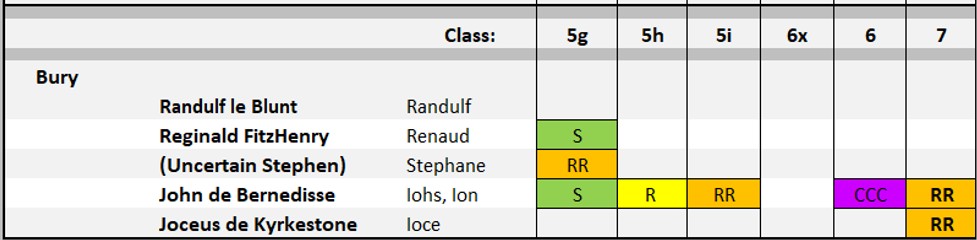
The posthumous coinage commences sometime during the 5h period. Whereas Class 5i and 7 coins are very rare, the coins of Class 6 are extremely common owing to the large number found in the Colchester II hoard described below.
|
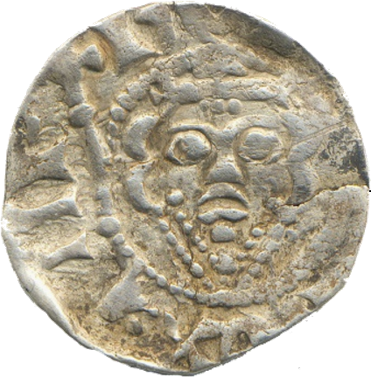 Class 5i, obverse, John de Bernedisse, type Eaglen 3c, image courtesy of David Palmer Class 5i, obverse, John de Bernedisse, type Eaglen 3c, image courtesy of David Palmer
|
|
| |
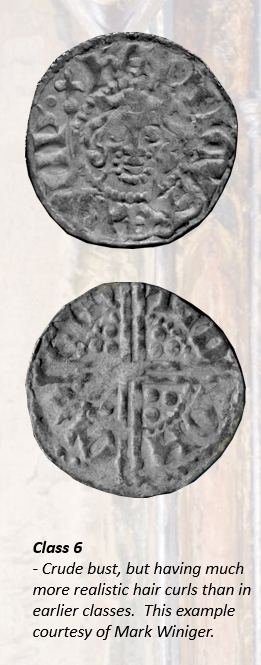
Bury Class 6
- Rare until the discovery of the second Colchester hoard in 1969.
- Two coin hoards and an empty container of a possible third hoard were found within a 20 m² area along High Street in Colchester, Essex between 1902 and 2000.
- The first hoard (Colchester 1) was discovered at 25 High Street in 1902. It consisted of 11,000-12,000 English silver short cross pennies as well as contemporary Scottish and Irish issues, all buried in a lead vessel; the closing date was c.1237.
- The second hoard (Colchester 2) was discovered within the same house plot in 1969. It consisted of 14,065 silver pennies buried in a lidded lead canister, mainly of the English voided long cross type alongside contemporary Scottish and Irish issues. The majority of the coins were struck before 1256, with a late top-up of 1,916 class 6 pennies from the Bury mint.
- The Colchester hoards may have been the property of a Jewish money-lender.
- The topping up and sealing of the hoard may have been in response to The Statute of the Jewry issued by Edward I, which marked a turning point in the treatment of England’s Jewish population, including the banning of usury. The Statute dates to October 1275.
- This would date Bury class 6 coins as being minted no later than Oct. 1275. In fact, class 6x and 6 were probably produced from at earliest 4Q74 up to 3Q75.
|
 |
|
| |
Bury Class 7 |
|
|
| |
- Class 7 Bury coins are known from two moneyers, John “ION” and Joceus “IOCE”.
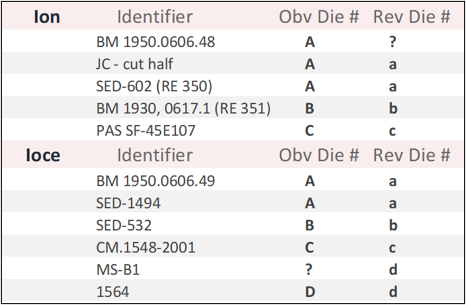
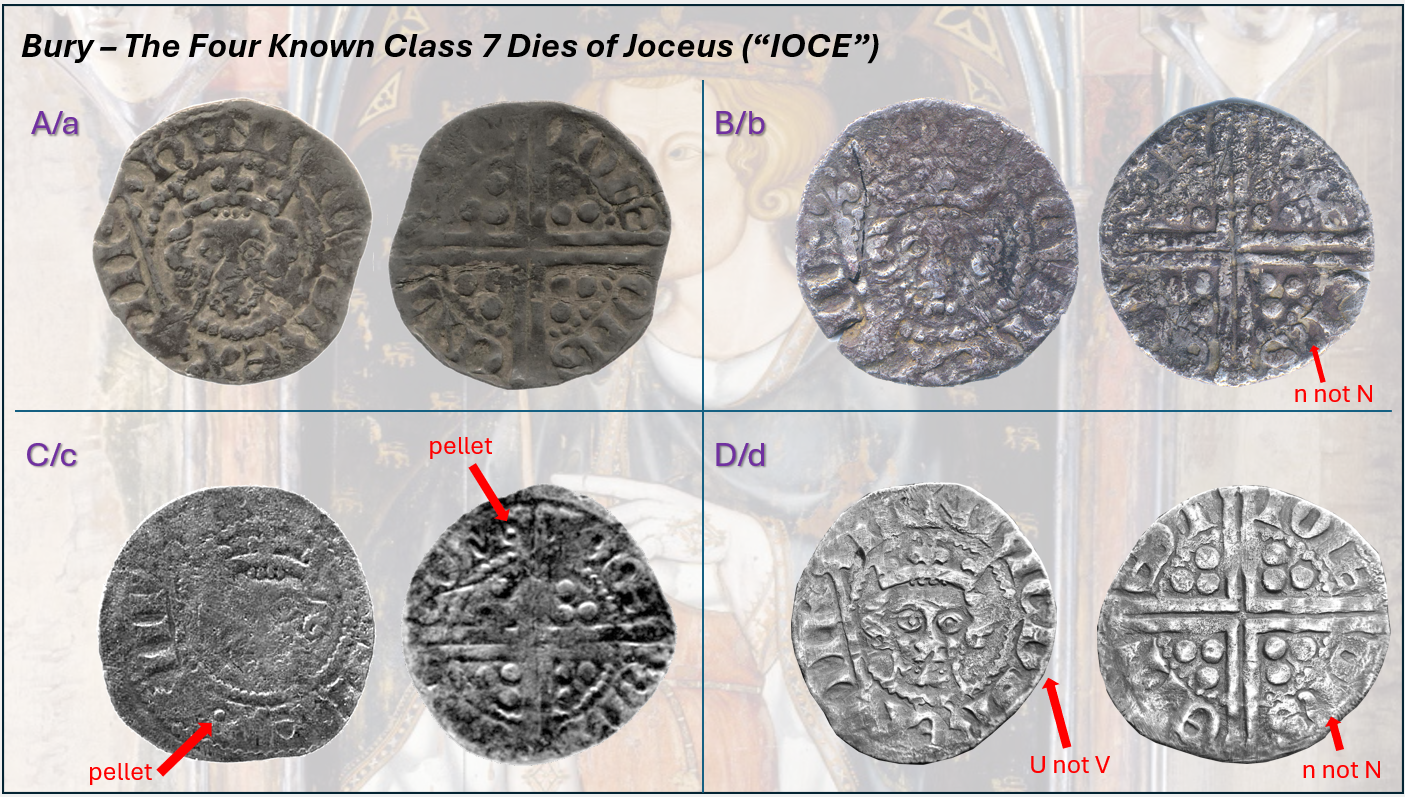
- Both moneyers were known in class 7 by two sets of dies at the time Eaglen published his study of the Bury mint in 2006. Since then, more coins have turned up, and additional dies are now known.
- John de Bernedisse (“ION”) class 7: Four known full examples of his class 7 pennies : two being in the British Museum and two in private collections, and also one cut half in private ownership. Three obverse and three reverse dies known.
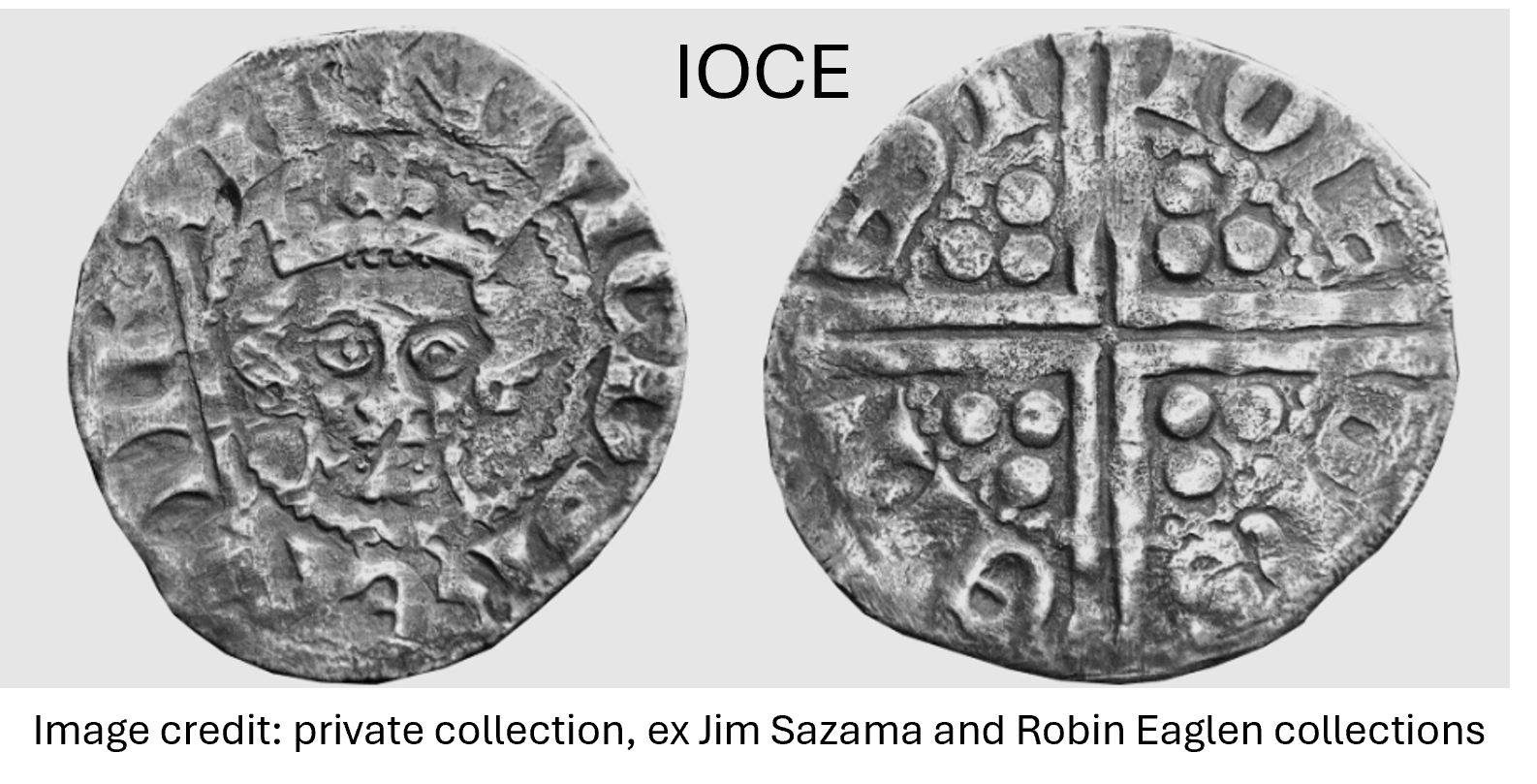
- Bury Coins of Joceus de Kyrkestone (“IOCE”): These were issued from Spring 1278. Six examples of full pennies have been located. Two are museum specimens; the others in private ownership. Four different obverse & reverse dies have now been identified – double the number published by Eaglen.
|
 |
|
| |
 |
 |
|
| |
|
|
|
| |
 |
|
| |
See my notes on how to compare dies. |
|
|
| |
|
|
|
| |
|
|
|