
| Use the Anatolia pull-down menu to navigate through this section. | ||
|
Welcome to Hammered.Info, a personal numismatic website where I share my collection, research and other aspects of hammered coinage that interest me. Here you will find selected coins from my collection, links to useful numismatic resources, and articles that I have written, including an online guide to the coinage of Henry III. There is also a section devoted to the medieval coinage of Anatolia, and I hope soon to add a detailed study of the posthumous coinage of Henry III. Some years ago I decided that it was no longer sensible to keep my growing collection at home, so it was transferred to secure storage. Before doing so, I photographed every coin to a high standard, and it is these images that I now study rather than the coins themselves. A selection of those images is shared on this website. |
||||
 |
||||
|
|
||||
| References |
|
|||
| Ruler | Reign AD | |||
| Prince Ruben I | 1080–1095 | |||
| Prince Constantine I | 1095-1100 | |||
| Prince Thoros I | 1100-1129 | |||
| Prince Levon (Leo) I | 1129-1137 | |||
| Byzantine Control | 1137-1151 | |||
| Prince Thoros II | 1151-1169 | |||
| Prince Mleh | 1169-1175 | |||
| Prince Ruben III | 1175-1187 | |||
| Prince Levon (Leo) II | 1187-98 | |||
|
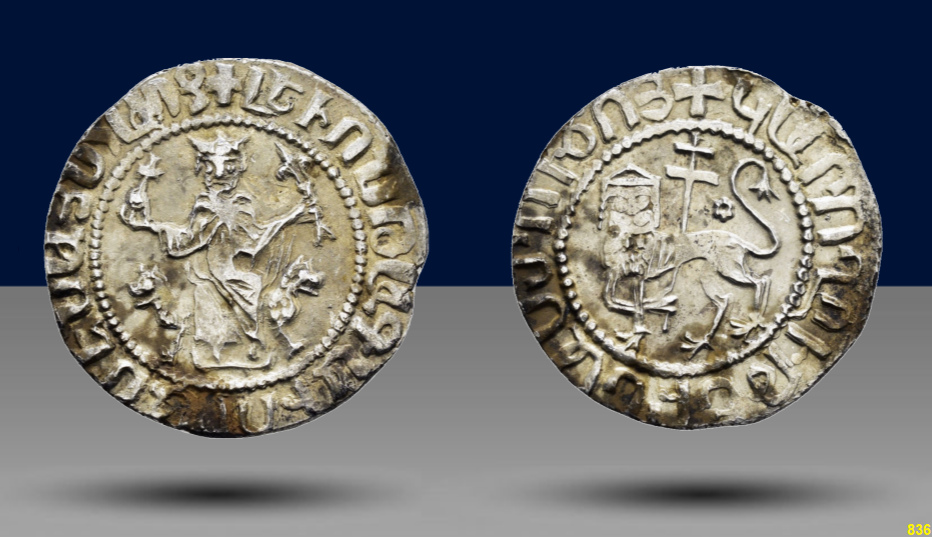
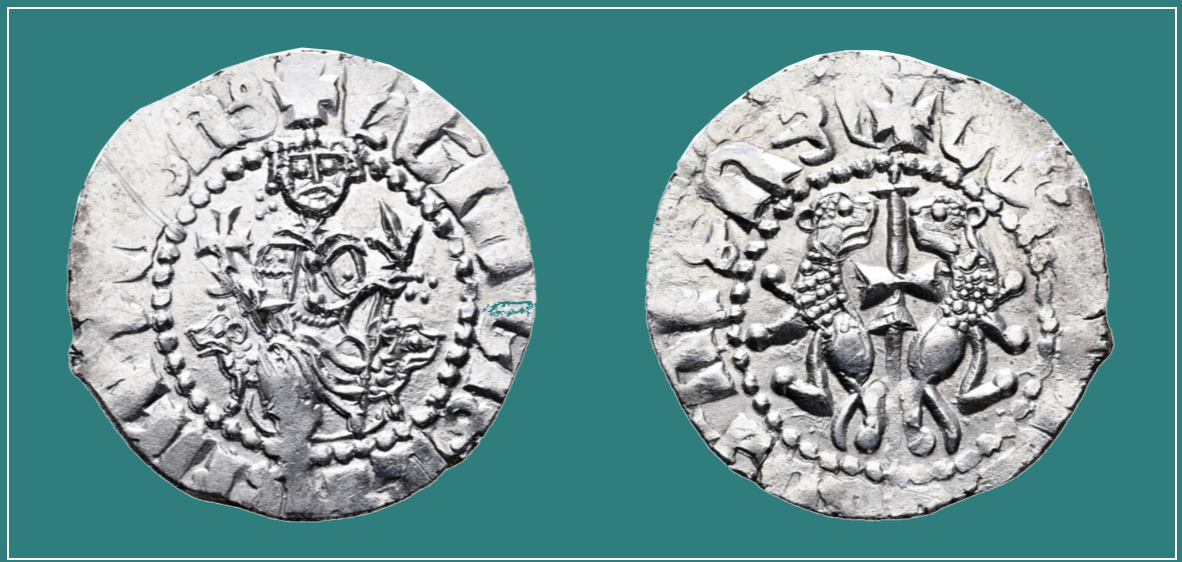
Levon I is the only king of Cilician Armenia to have struck a silver double tram as shown below. A critical study of the history of the period immediately preceding the coronation of Levon indicates that he struck them when the Holy Roman Emperor, Henry VI, promised him a crown late in 1196 or early 1197. He thus assumed the legal title of king before his official coronation. |
||||
|
 |
|||
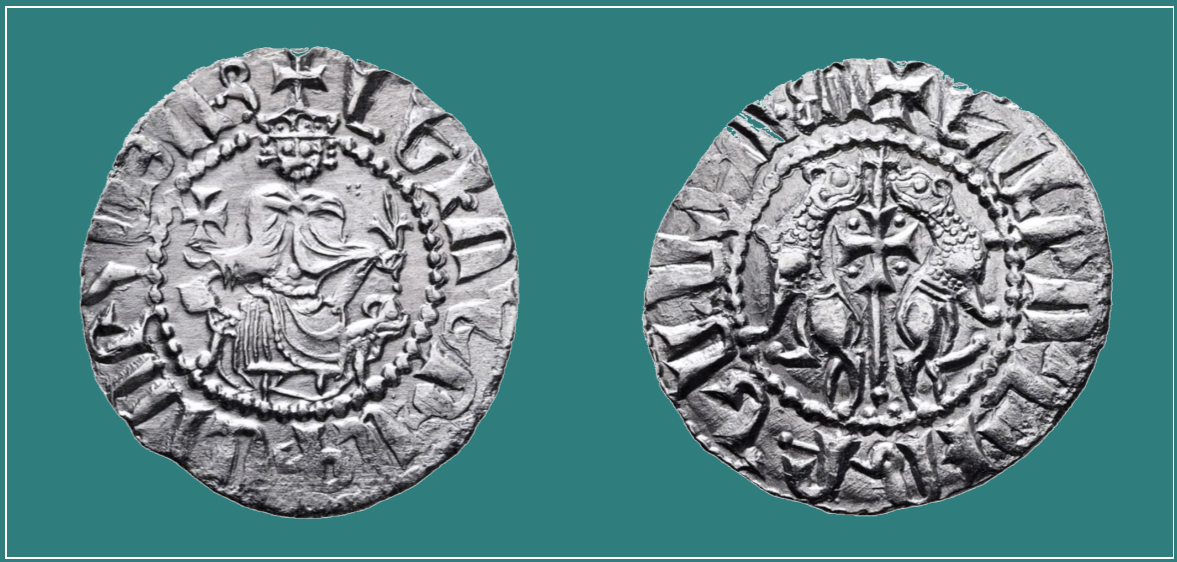
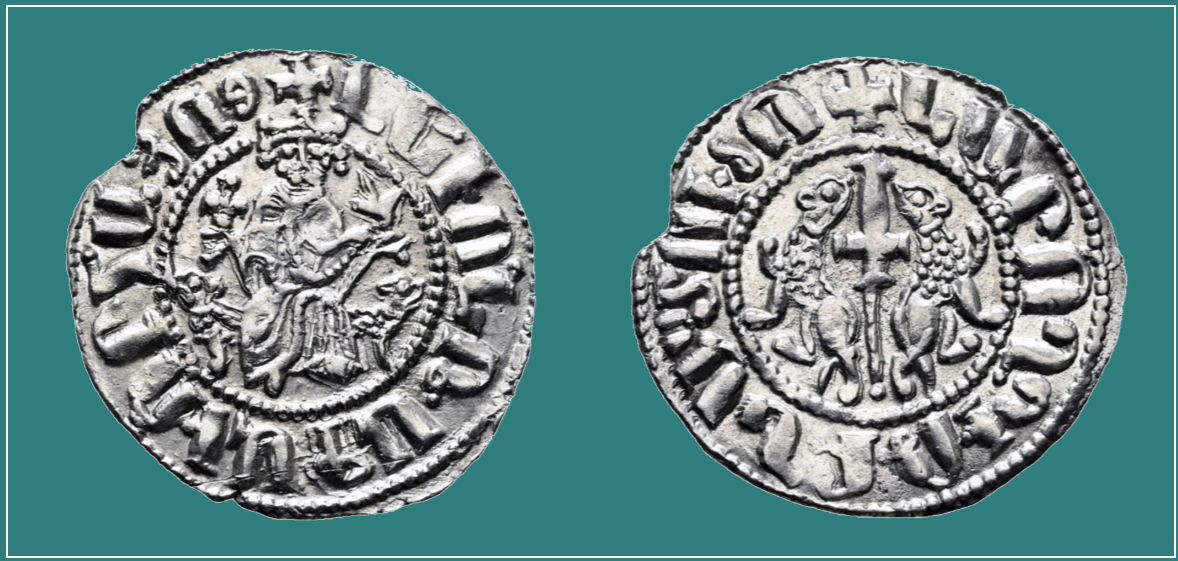
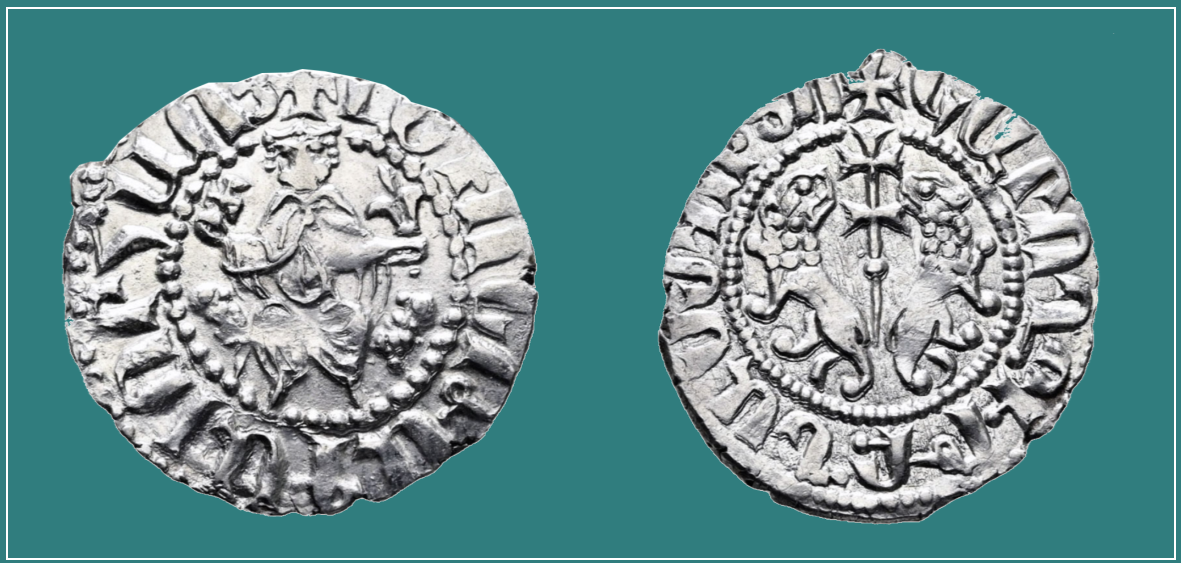
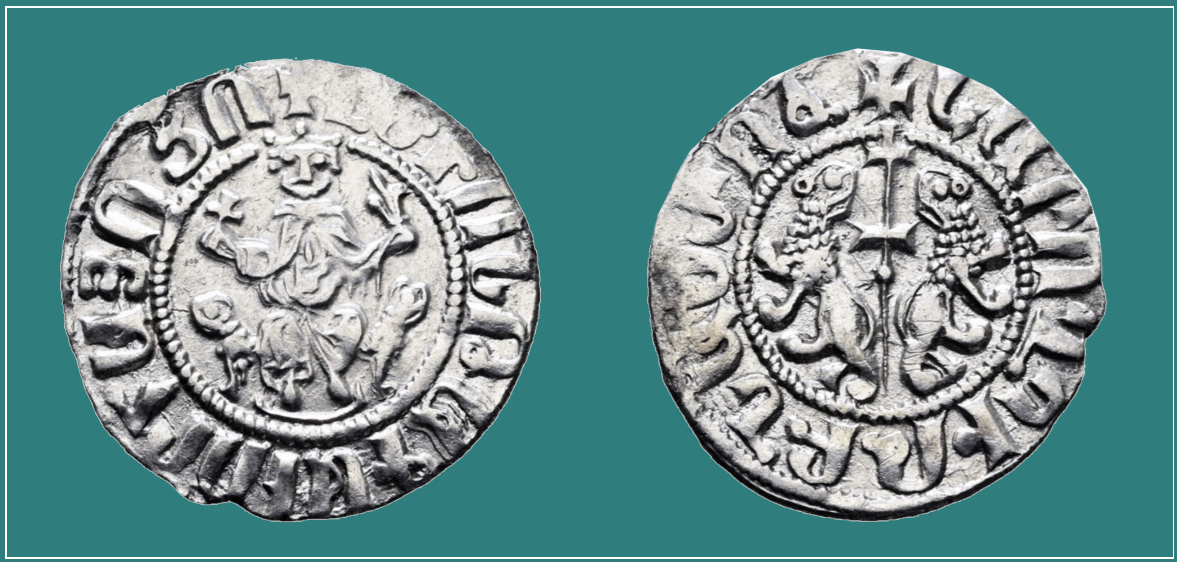
| King Levon (Leo), 1199-1219 | On the eve of the Third Crusade, Pope Clement III asked Prince Levon II and Gregory IV (the head of the Armenian church) to extend financial and military help to the arriving crusaders. Levon sent an escort to the armies of Holy Roman Emperor Frederick Barbarossa who was approaching Cilicia after settling his disputes with the Byzantine Emperor Isaac II Angelus. Frederick had promised Levon a royal crown for his fidelity, but the former unfortunately drowned while crossing the Calycadnus near Seleucia. Levon, however, continued to support the crusaders, as his army was present at the siege of Acre and he joined Richard the Lionheart in his conquest of Cyprus. For his loyal support, Levon received his royal crown which had been promised, taking the title King Levon I. He was crowned at Tarsus on 6 January 1199 by the Imperial Chancellor Conrad of Hildeshiem, under decree from Pope Clement III and the new Holy Roman Emperor, Henry VI. | |||
|
 |
|||
|
 |
|||
|
 |
|||
|
 |
|||
|
 |
|||
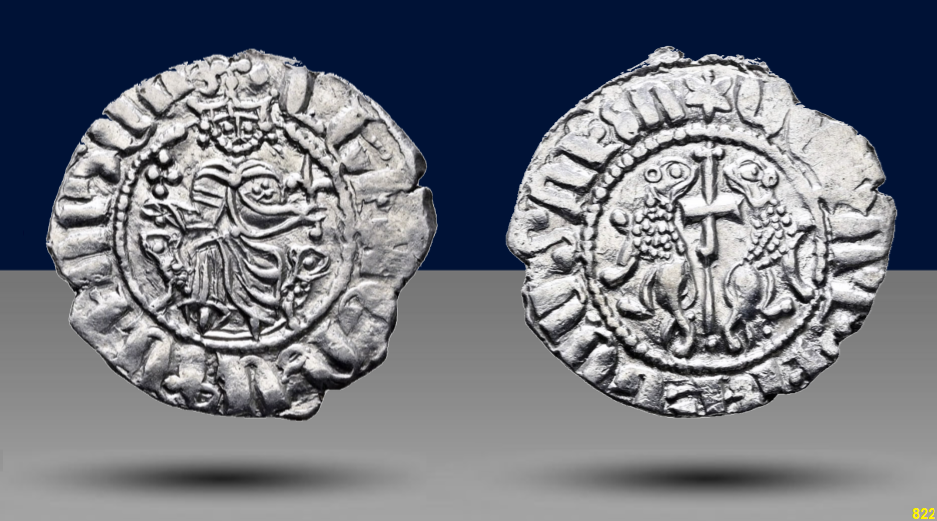
| Cross pommee/star initial marks... e.g. Nercessian type 290 - NB there are far less types documented by Nercessian of these reverse star coins. | ||||
|
 |
|||
|
 |
|||
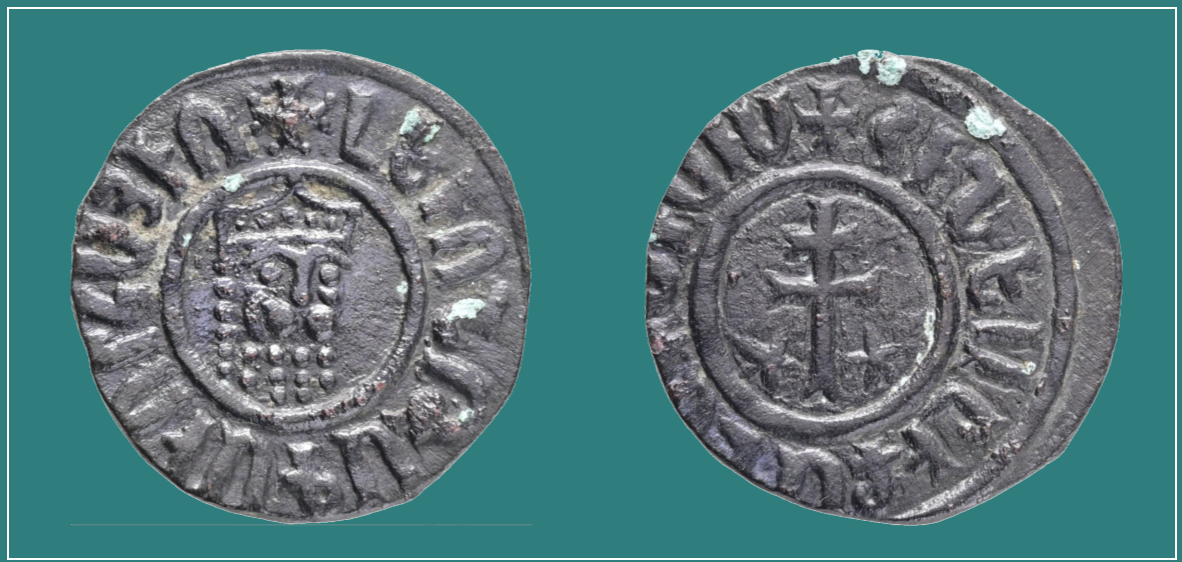
| Levon I Bronze coins... | ||||
|
 |
|||
| Isabella (Zabel) | 1219-1222 | |||
| Isabella (Zabel) with Philip of Antioch | 1222-1225 | |||
| No Known Coins | ||||
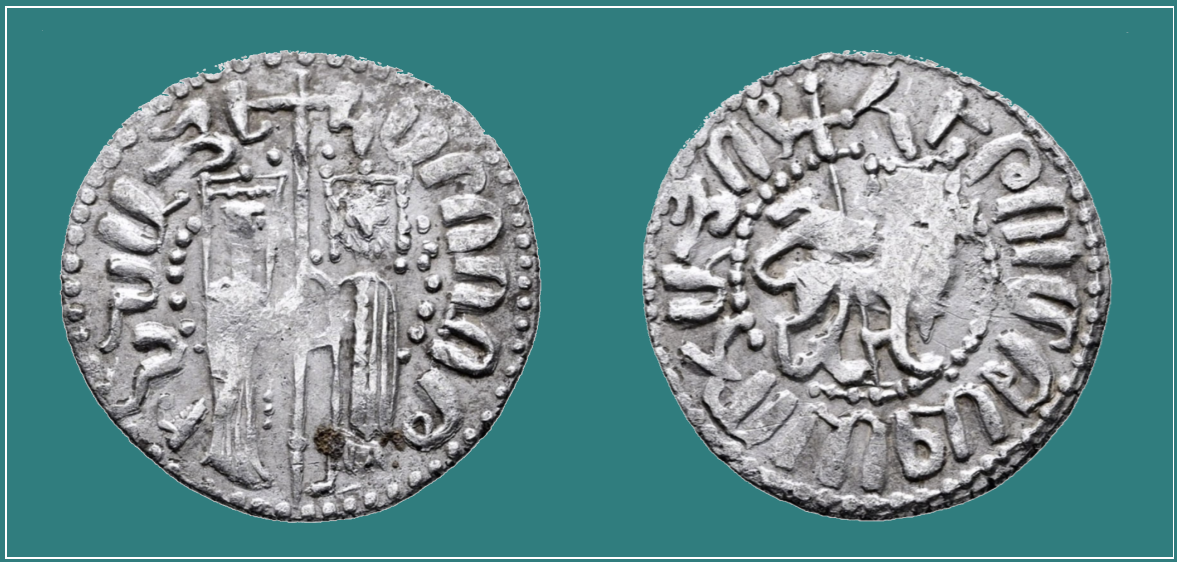
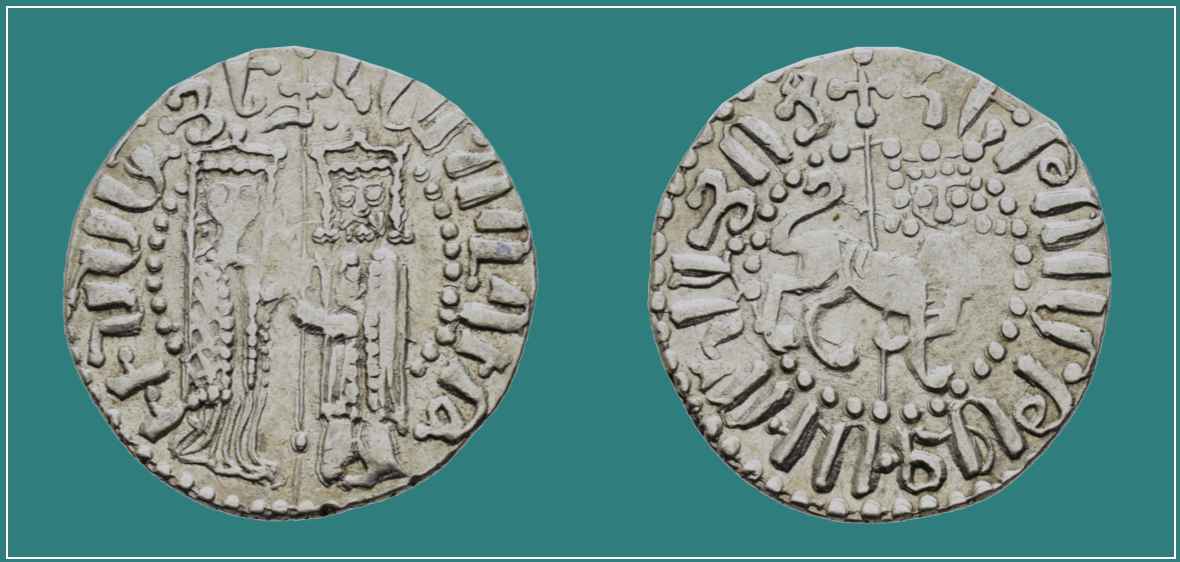
| Hetoum I and Zabel. | 1226-1252 | |||
|
 |
|||
|
 |
|||
|
 |
|||
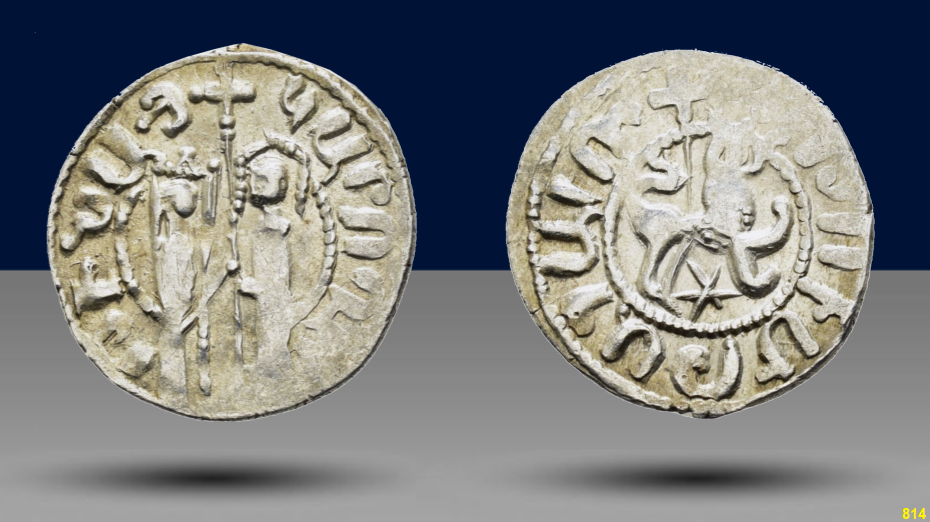
| Hetoum I and Zabel facing each other... | ||||
|
 |
|||
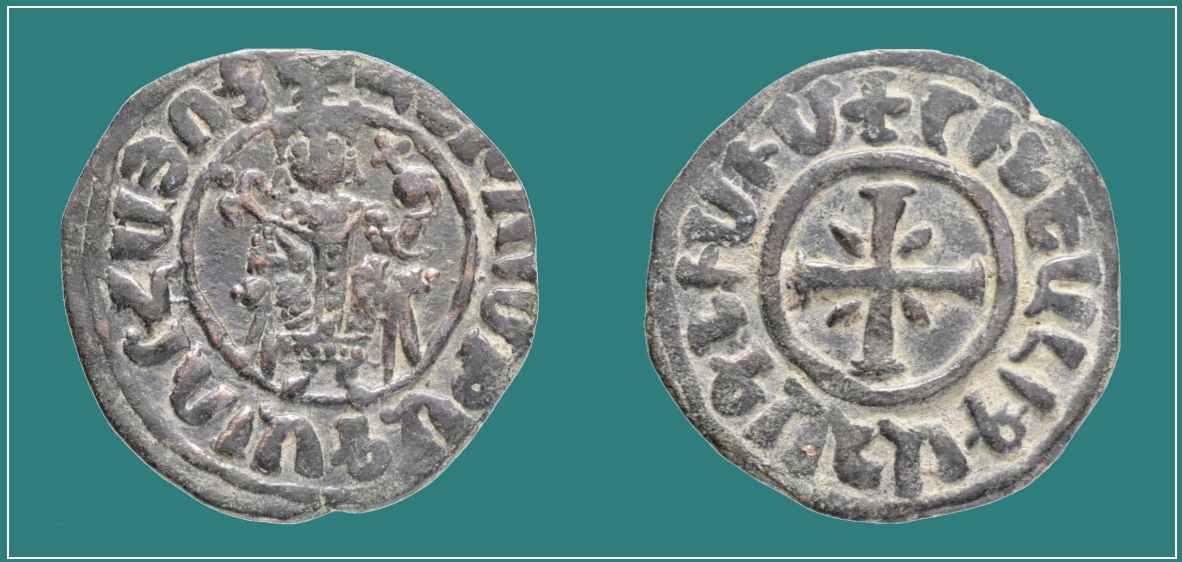
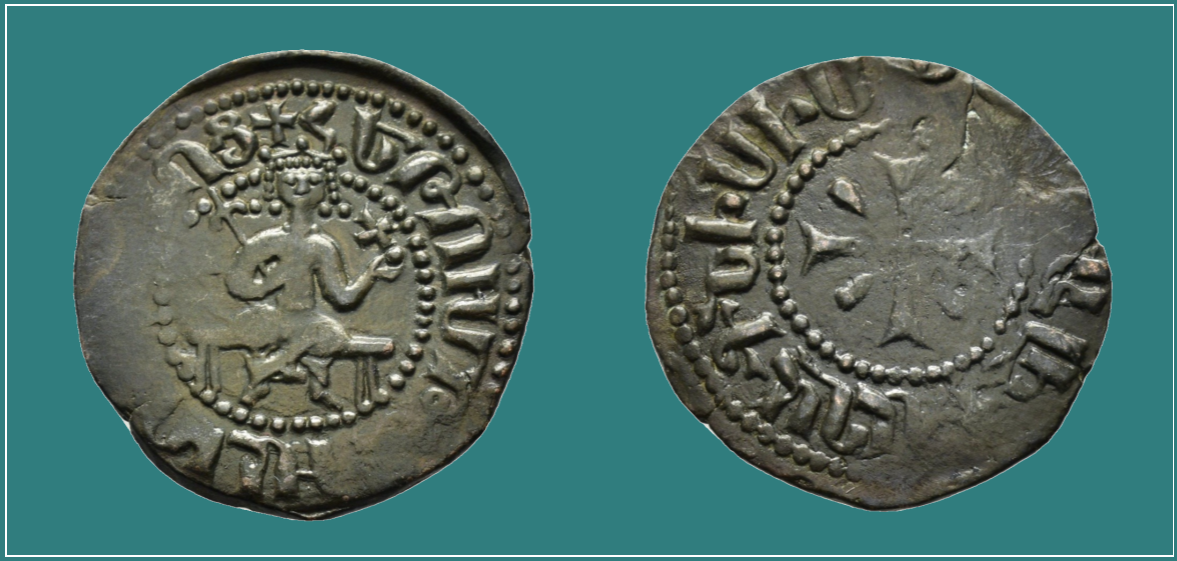
| Hetoum I as sole ruler | 1252-1270 | |||
|
 |
|||
|
 |
|||
| Levon (Leo) II (Levon III) | 1270–1289 | |||
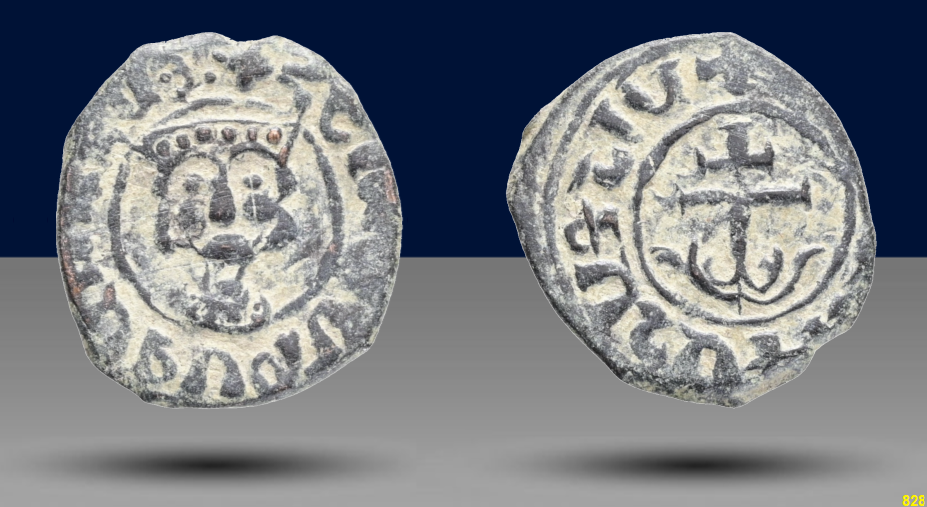
| Hetoum II - reign undiff. | 1289–1293, 1295–1296, 1299–1307 | |||
|
 |
|||
| Hetoum II - 1st reign | 1289–1293 | |||
| Hetoum II - 2nd reign | 1295–1296 | |||
| Hetoum II - 3rd reign | 1299–1307 | |||
| Thoros III | 1293-1298 | |||
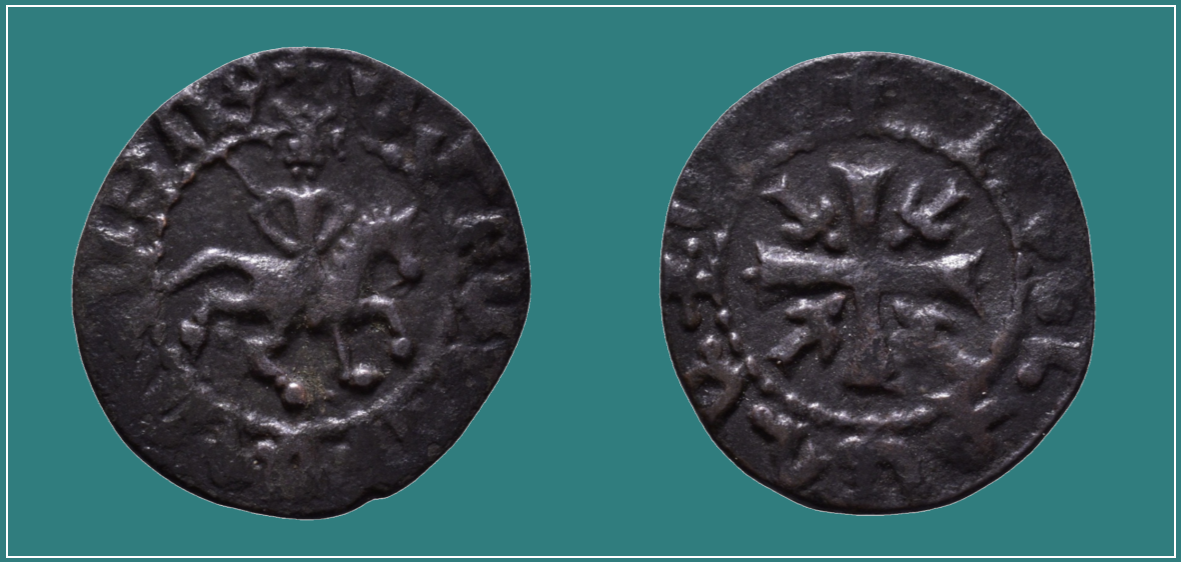
| Smbat (Usurper) | 1296-1298 | |||
|
 |
|||
| Constantine I | 1298-1299 | |||
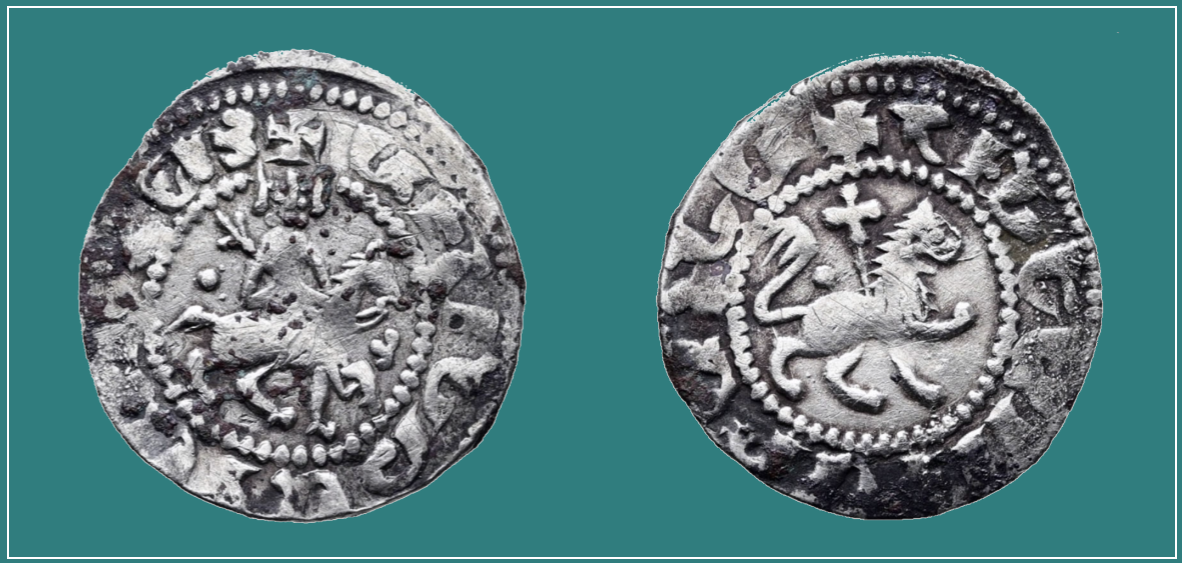
| Levon (Leo) III (Levon IV) - with Hetoum II | 1303-1307 | |||
|
 |
|||
| Oshin | 1308-1320 | |||
| Levon (Leo) IV (Leo V) | 1320-1341 | |||
| Levon (Leo) IV (Leo V) | 1320-1341 | |||
| Constantine II | 1342-1344 | |||
| Constantine III | 1344-1362 | |||
| Constantine IV | 1362-1373 | |||
| Levon (Leo) V (Leo VI) | 1374-1375 | |||
| The Danishmendids | ||
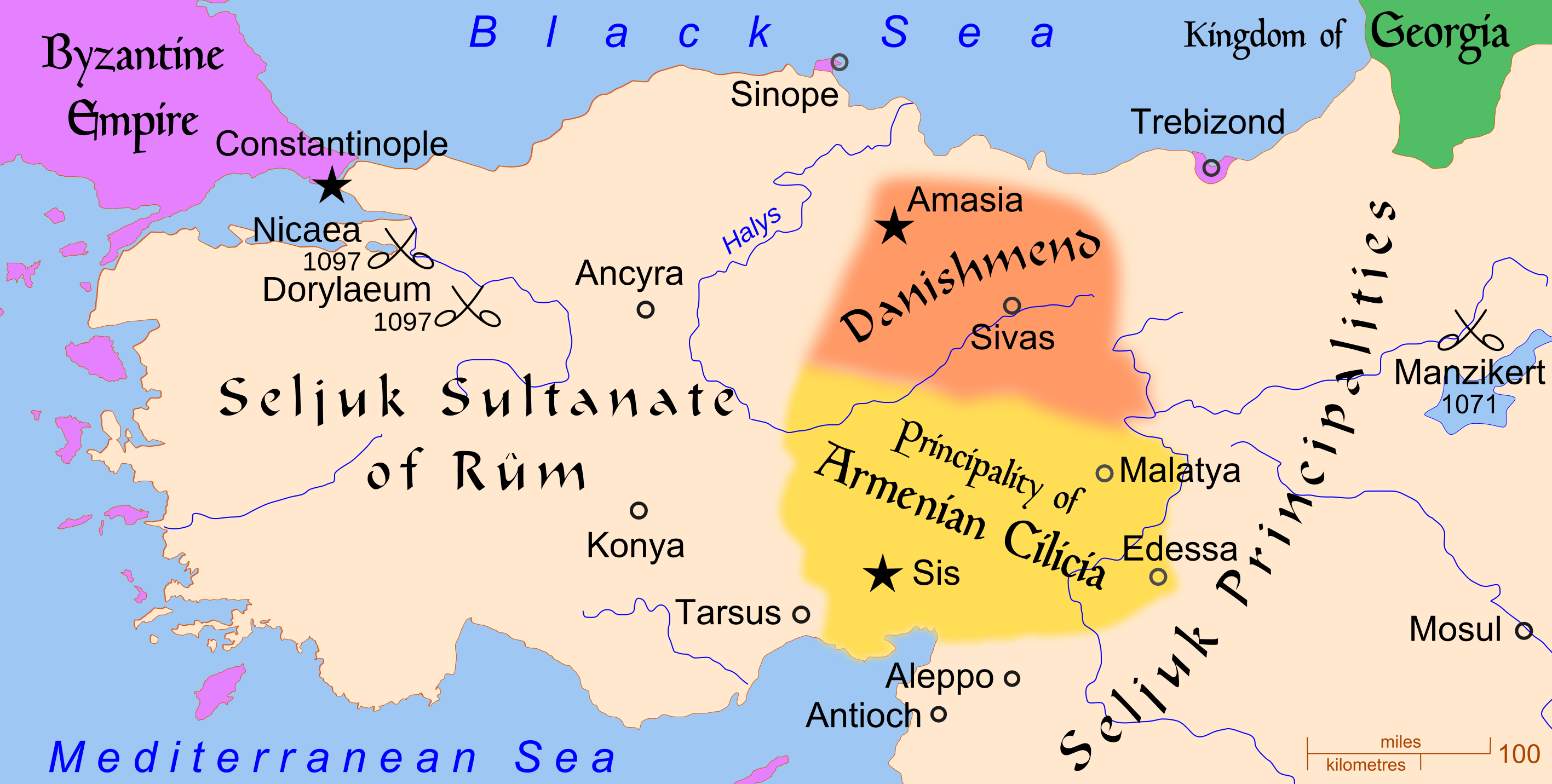
| The Danishmendids ruled in north-central and eastern Anatolia from 1071/1075 to 1178. The dynasty centered originally around Sivas, Tokat, and Niksar in central-northeastern Anatolia; they extended as far west as Ankara and Kastamonu for a time, and as far south as Malatya, which they captured in 1103. In the early 12th century, Danishmends were rivals of the Seljuk Sultanate of Rum, which controlled much of the territory surrounding the Danishmend lands, and they fought extensively against the Crusaders. The dynasty was established by Danishmend Gazi for whom historical information is rather scarce and was generally written long after his death. They established themselves in Anatolia in the aftermath of the Battle of Manzikert in 1071, in which the Seljuks defeated the Byzantine Empire and captured most of Anatolia. Gazi took advantage of the dynastic struggles of the Seljuks upon the death of the Sultan Suleyman I of Rûm in 1086 to establish his own dynasty in central Anatolia. The capital was likely first established in Amasia. The header map shows Anatolia in 1097, before the Siege of Nicaea. | ||
|
References: Estelle J. Whelan, 'A Contribution to Danishmendid History: The Figured Copper Coins' American Numismatic Society, Museum Notes 25, The American Numismatic Society, New York , 1980 CNG Search for "Danishmendid" ACSearch for "Danishmendid" (Link) Danishmendid Figural Coins |
||
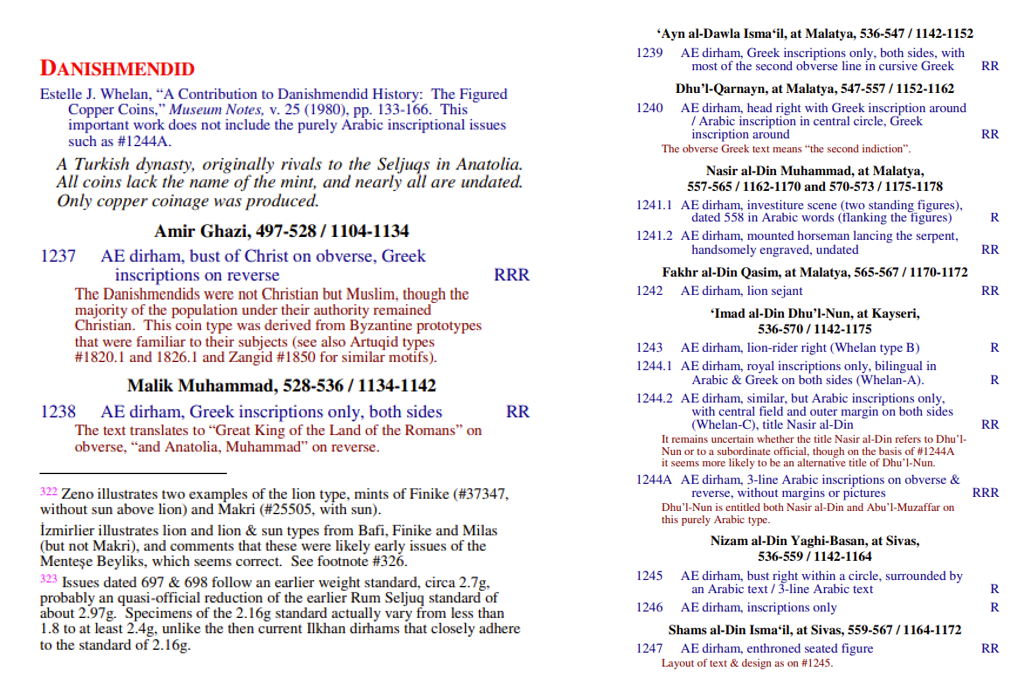
| A NOTE ON DÄNISHMENDID IMAGERY Although the Dänishmendids seem to have been among the first to introduce copper coins with images, it was their neighbours to the east of the Euphrates who most fully exploited this medium. The Output of the Artuqids and Zankids in particular is much better known, partly because they frequently copied the figures on ancient coins. It seems that the dynasties of central Anatolia and northern Mesopotamia shared a concern with devising suitable sovereign imagery. The Dänishmendid coins differ in the sources that were available—and preferred—for emulation. None of these coins is based on an ancient model; whenever the sources can be traced, they turn out to be Byzantine or occasionally even European objects.. Most of Mesopotamia had been part of the Islamic world since the seventh century, and current Byzantine coins were thus not readily available äs models, whereas coins of the ancient rulers of the territory evidently were. Anatolia, on the other hand, had remained part of the Byzantine empire until the invasion of the Turks after 1071. In the mid-twelfth Century Greek culture was still predominant in the central region, äs the issue of coins first with Greek and then with mixed Greek/Arabic inscriptions attests. Not until 553-59 (1158-64) did a type with an entirely Arabic inscription appear, Yaghl Basän's Type A. (Source: Whelan). | ||
| Amir Ghazi, 497-528 AH, 1104-1134 AD | ||||
| Malik Muhammad, 528-536 AH, 1134-1142 AD | ||||
| MALATYA: Ayn al-Dawla Isma'il, 536-547 AH, 1142-1152 AD | ||||
| MALATYA: Dhu'l-Qarnayn, 547-557 AH, 1152-1162 AD | ||||
|
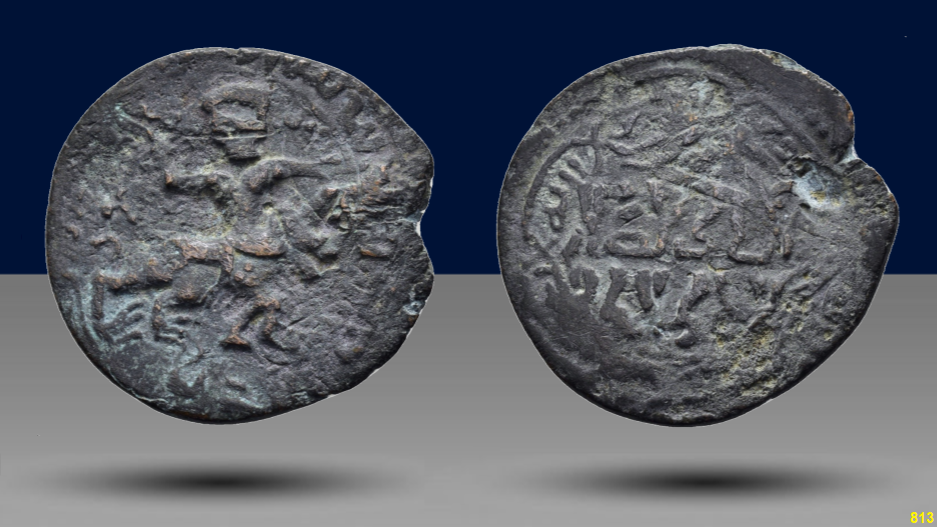
MALATYA: Nasir al-Din Muhammad, 557-565 & 570-573 AH, 1162-70 & 1175-78 AD |
||||
|
 |
|||
| MALATYA: Fakhr al-Din Qasim, 565-567 AH, 1170-72 AD. | ||||
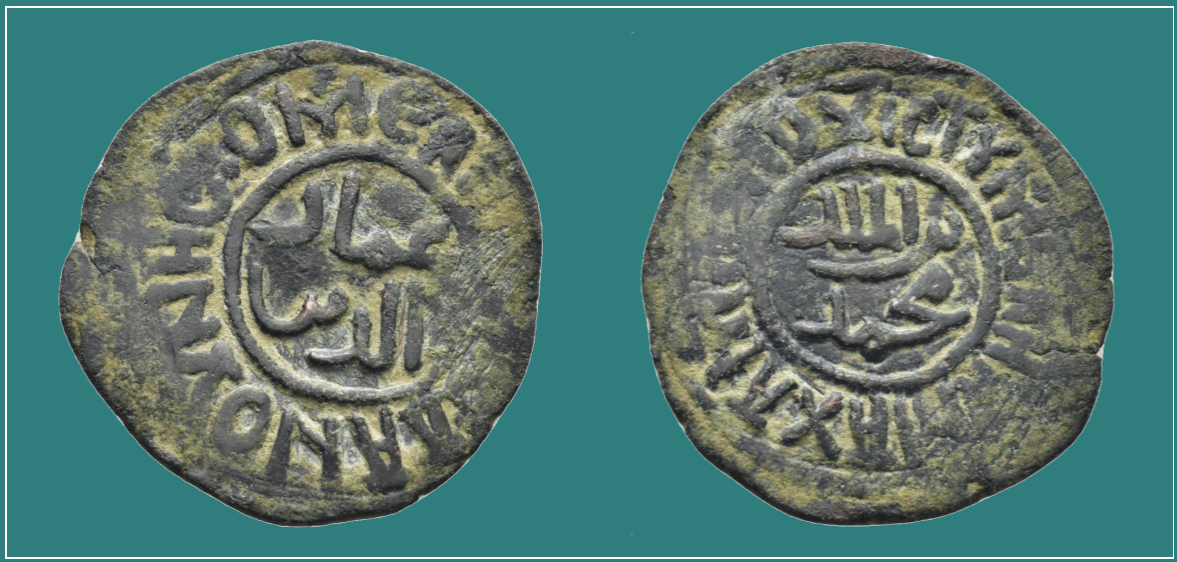
| KAYSERI: Imad al-Din Dhu'l-Nun, 536-570 AH, 1142-75 AD | ||||
|
 |
|||
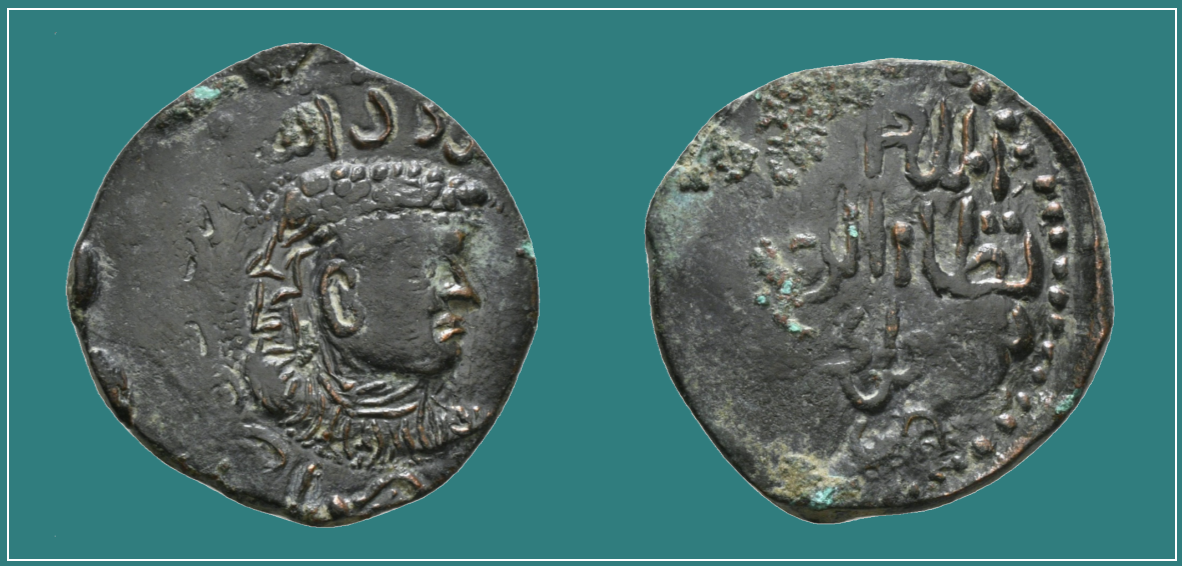
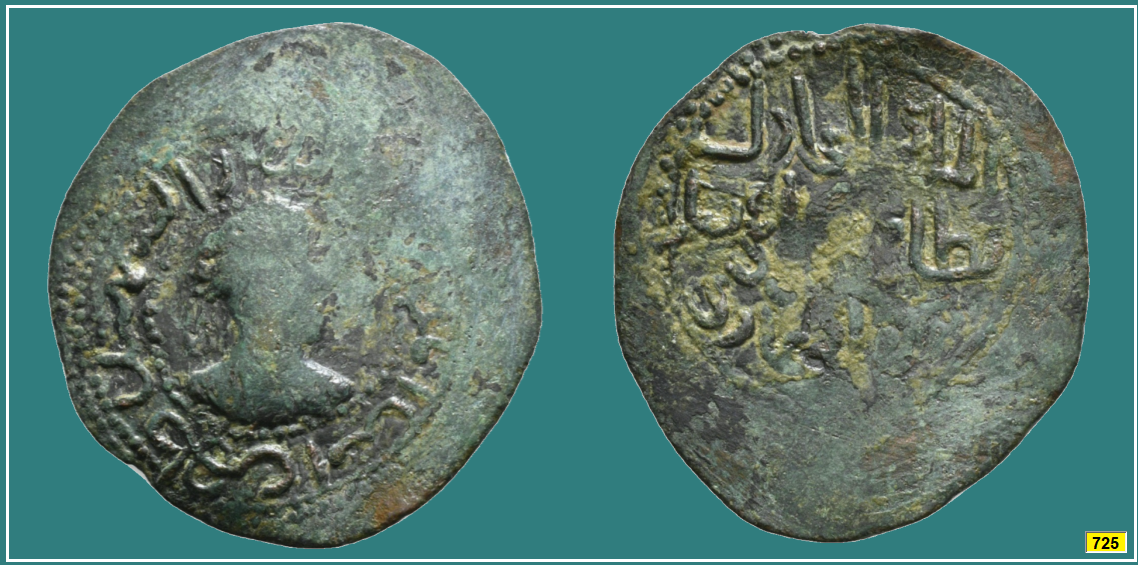
| SIVAS: Nizam al-Din Yaghi-Basan, 536-559 AH, 1142-64 AD | Nisam al-Din Yaghi Basan was a key figure in the Danishmendid principality and ruled over the city of Sivas, one of the major centres of the dynasty. His reign was marked by efforts to maintain independence from the rising power of the Seljuk Sultanate of Rum, which sought to consolidate control over all of Anatolia. Yaghi Basan, like other Danishmendid rulers, faced continuous pressure from the Seljuks, who were expanding their influence in the region. | |||
|
 |
|||
|
 |
|||
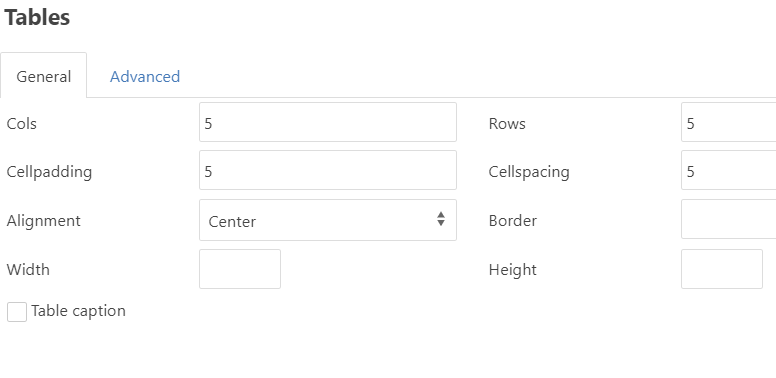
| SIVAS: Shams al-Din Isma'il, 559-567 AH, 1164-72 AD | ||||
 |
||||
| Column 1 = 250 wide | 20 w. | Central column width = 500 | 20 w | Column 5 = 250 wide |
|
Title is Bold font 12
|
Coin images are shown in floating format - size 500 wide Enlargements with the flat green background - size 800 wide |
|||